
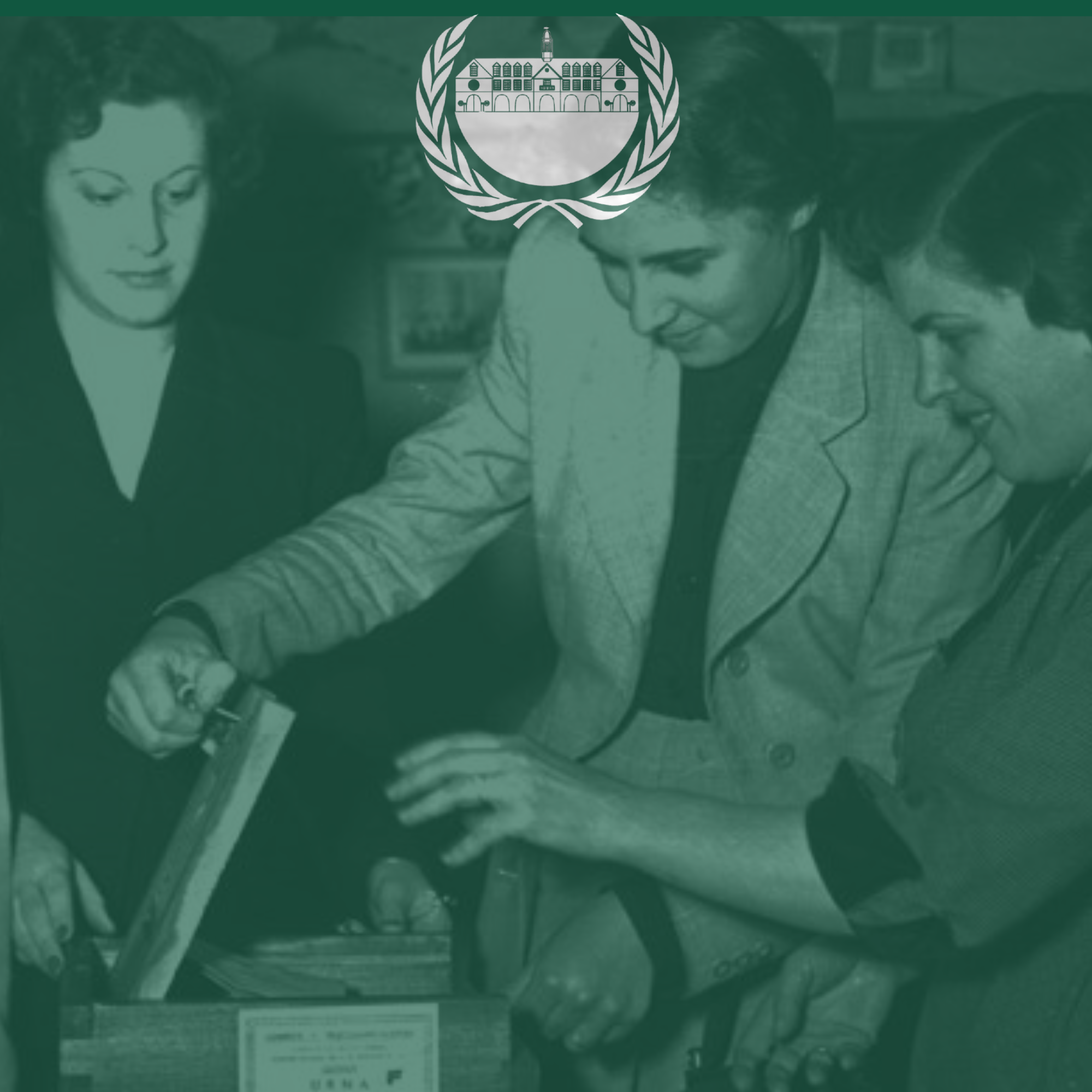
Las Mujeres Hacen Falta el Voto: Puerto Rico, 1920s
You are standing at a crossroads of history where the fight for the ballot is not just about gender: it is a battle over the soul of Puerto Rico. In the 1920s, the island was a pressure cooker of shifting identities. We are no longer Spanish, but we are not quite American. While the Nineteenth Amendment has liberated our sisters in the North, it has left us in a “ constitutional limbo.” As we navigate these sessions, you must ask yourself: Who is a citizen and who has the right to define our future? The eyes of the Caribbean are upon us; let us determine whether we shall rise as a united front or remain a house divided by the very borders we seek to cross.
Topic one: The Literary War: Who is “Ready” to Vote?
The 1920s suffrage movement in Puerto Rico was deeply divided by class, creating a “literacy war” that pitted sister against sister. While elite suffragists pushed for a restricted vote to prove the island’s civility, working-class women in the tobacco and sugar industries demanded to be seen as equals. In this topic, we will discuss the ethics of incarceration versus universal rights. Delegates must grapple with whether to support a limited suffrage bill for educated women as a “foot in the door” or hold out for a total victory that includes the very women who drive the island’s economy.
Topic two: The Colonial Tug-of-War: “Freedom vs. Federal Power”
After the Nineteenth Amendment passed, Puerto Rican women were left in a constitutional “gray area” as citizens of a country whose laws didn’t fully apply to their home. This created a strategic nightmare: should the movement focus on the local San Juan legislature or bypass them by lobbying the U.S. Congress? In this topic, we will discuss the dangerous intersection of gender rights and colonial sovereignty. Delegates must decide if securing the vote through federal intervention is worth the cost of weakening Puerto Rico’s local autonomy and inviting more imperial control.