

UN100: Future of the General Assembly
The year is 2045. As the world’s preeminent and most comprehensive international governing body in the world, the United Nations has long been credited with establishing precedents of international cooperation while helping to mitigate conflicts throughout its over 80-year duration. Standing as one of the select few international bodies to withstand the test of time, much of the UN’s tenacity can be attributed to the fluid and dynamic nature of its design, with committees as well as the procedures and members governing them frequently subject to change in order to best attend to the world’s most urgent crises at any given time. It is in this vein that this committee draws its primary inspiration - and you will receive your assignment. Seeking to tackle the UN’s most pressing structural limitations, delegates will be tasked with addressing the UN’s mechanisms of enforcement - or lack thereof - as well as the composition of its future committee lineup, and thus ensure the UN retains its status as the world’s foremost and largest international peacekeeping body for years to come.
Topic one: Enforcement of policies and mechanisms
topic two: Addition or Subtraction of committees
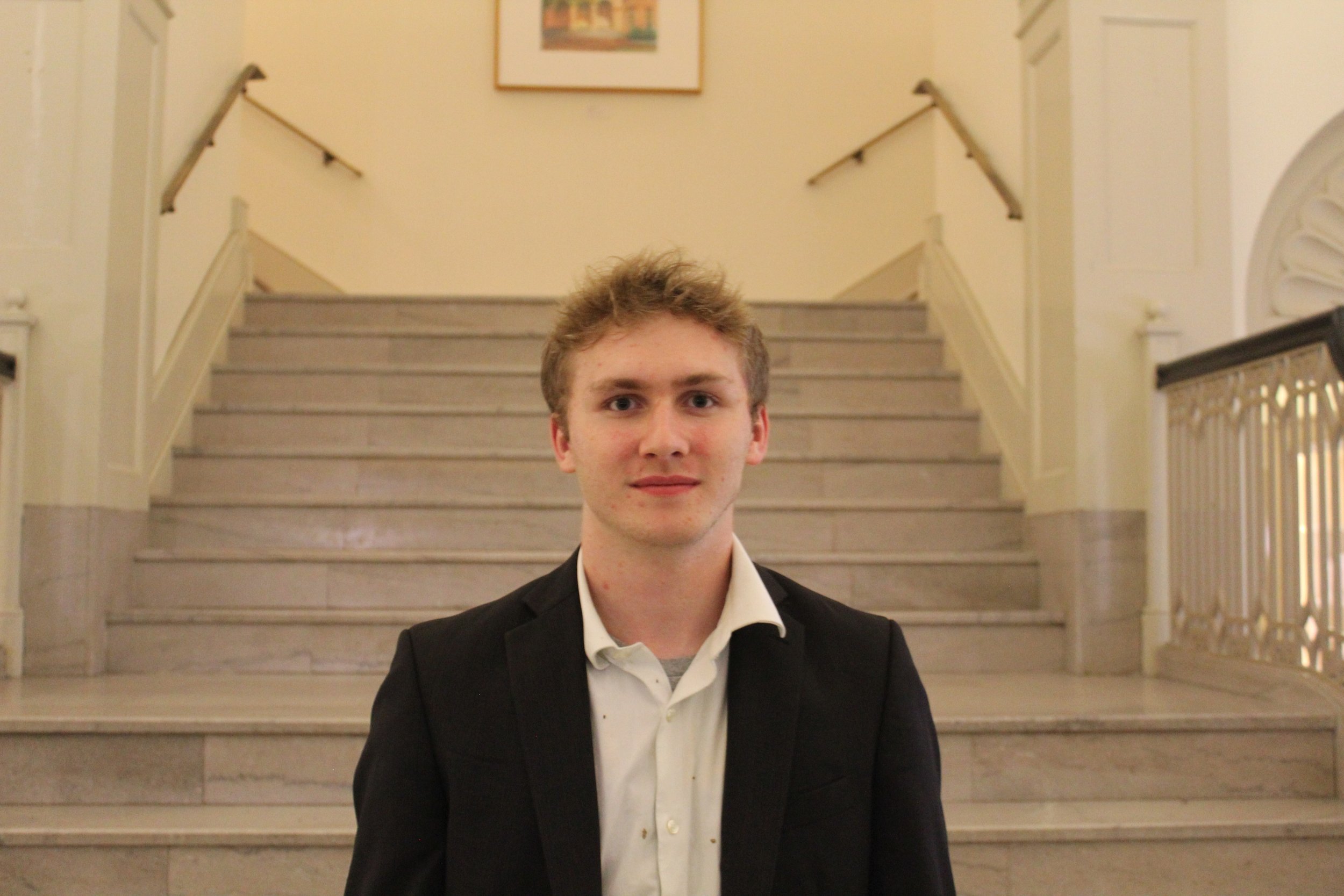
In Room Director: Daniel Porter
Daniel is a Junior from Montgomery, New Jersey majoring in International Relations and minoring in German. Having joined IRC in Fall of his Freshman year, Daniel has served as a leader of the William and Mary travel MUN team as well as directed committees for both our high school and middle school conferences respectively. Beyond MUN, Daniel spends much of his time getting lost down Wikipedia rabbit holes, playing table tennis, or exploring woods around campus.
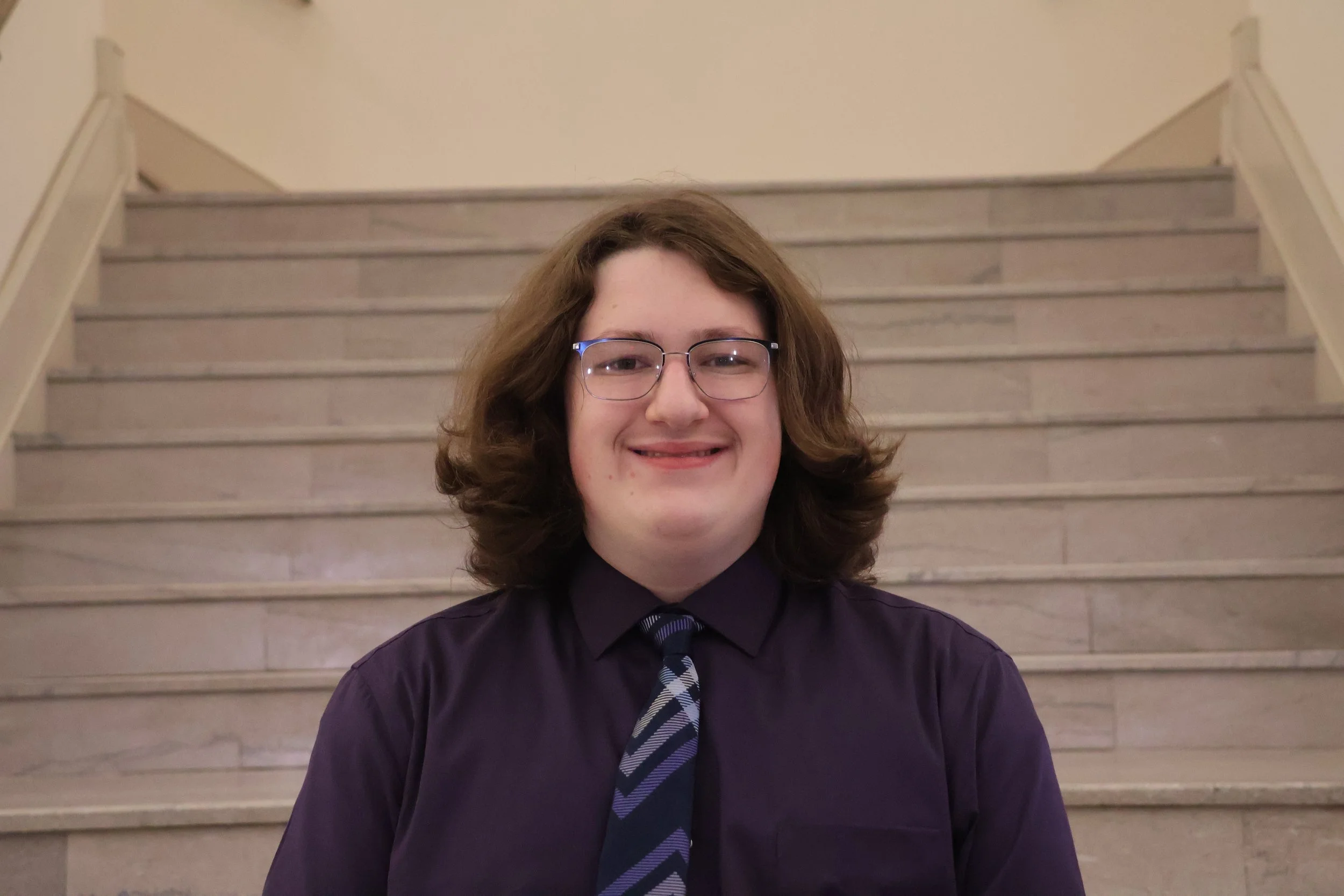
In Room Co-Director: Joshua Whirley
Joshua is a freshman here at William & Mary majoring in Computer Science. In high school, he helped restart his school’s Model UN team and even attended ODUMUNC. Joshua is excited to welcome delegates to WMHSMUN XL.