
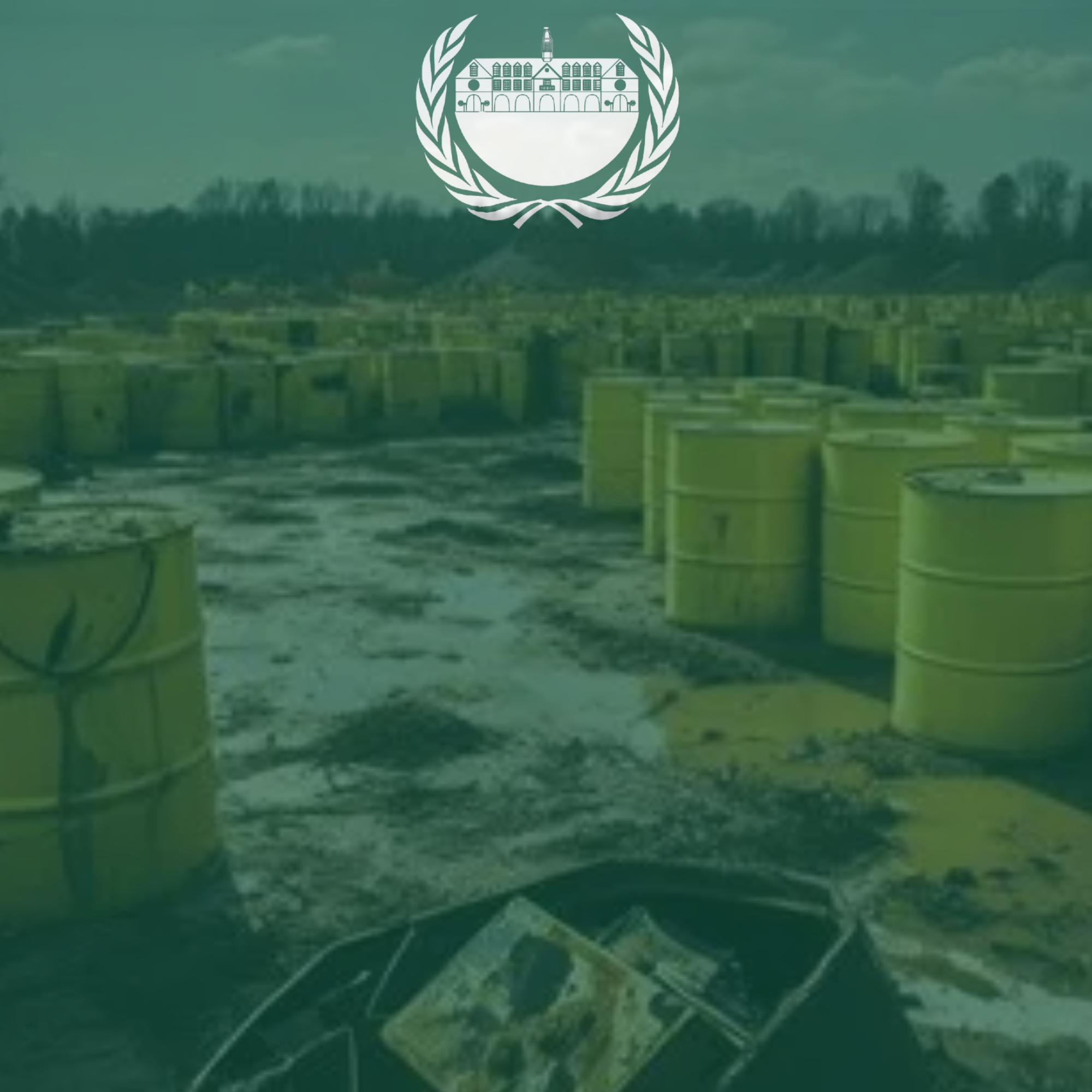
Environmental Protection Agency (EPA): A Silent Spring, 1972
This committee will run as a specialized agency with crisis elements. At the end of the committee, delegates will write a longer directive to act as an amendment for the 1972 Clean Water Act.
Topic one: Amending the 1972 Clean Water Act
After a series of concerns following the Federal Water Pollution Act of 1948, policymakers and lobbyist groups alike were begging for a change. Beaches, lakes, and estuaries that were once bustling ecosystems and loved swimming areas had become flammable waste dumps. Events such as the “Massive Fish Kill” in the Hudson River directly caused by high bacteria levels and Ohio’s Cuyahoga River catching fire multiple times due to oil spills had finally alarmed American citizens enough to spark a change. Since the 1972 Clean Water Act has been implemented, the likelihood of these events has decreased, however, flaws have been proven with time. As the act failed to specify the size of bodies of waters to be protected and allocated, the discretion fell among the states. This act has failed to give power to itself, as well as indirectly caused overfishing between these sites. Overwhelmingly, the push of many companies losing their main tactics and essentially going bankrupt has accelerated scarcity and population growth between affected states such as Florida, Nebraska, Kansas, and many more. This act has proven to need a backbone of enforcement as well as buffers to the actual tactics for the Environmental Protection Agency to pursue.
topic two: Addressing Non-Point Source Pollution
Though the 1972 Clean Water Act has covered trash and oil spills, a separate issue has arisen: runoff pollutants. Impacts from sediments and fertilizers overpolluting waters have been more than just trash and build up, it has been a cause of algal blooms. Algal blooms have overtaken rivers, lakes, and any body of water with an upsurge of bacteria. These have harmed fish life, human life, and ecology throughout these waters. A main issue has arisen of actually pinpointing how to solve these issues as it is difficult to regulate runoffs that have been positively impacting other aspects of the environment, and how to figure out which effects are coming from where. How can algal blooms be stopped, and how can we solve this issue without further displacing our agricultural sectors?