
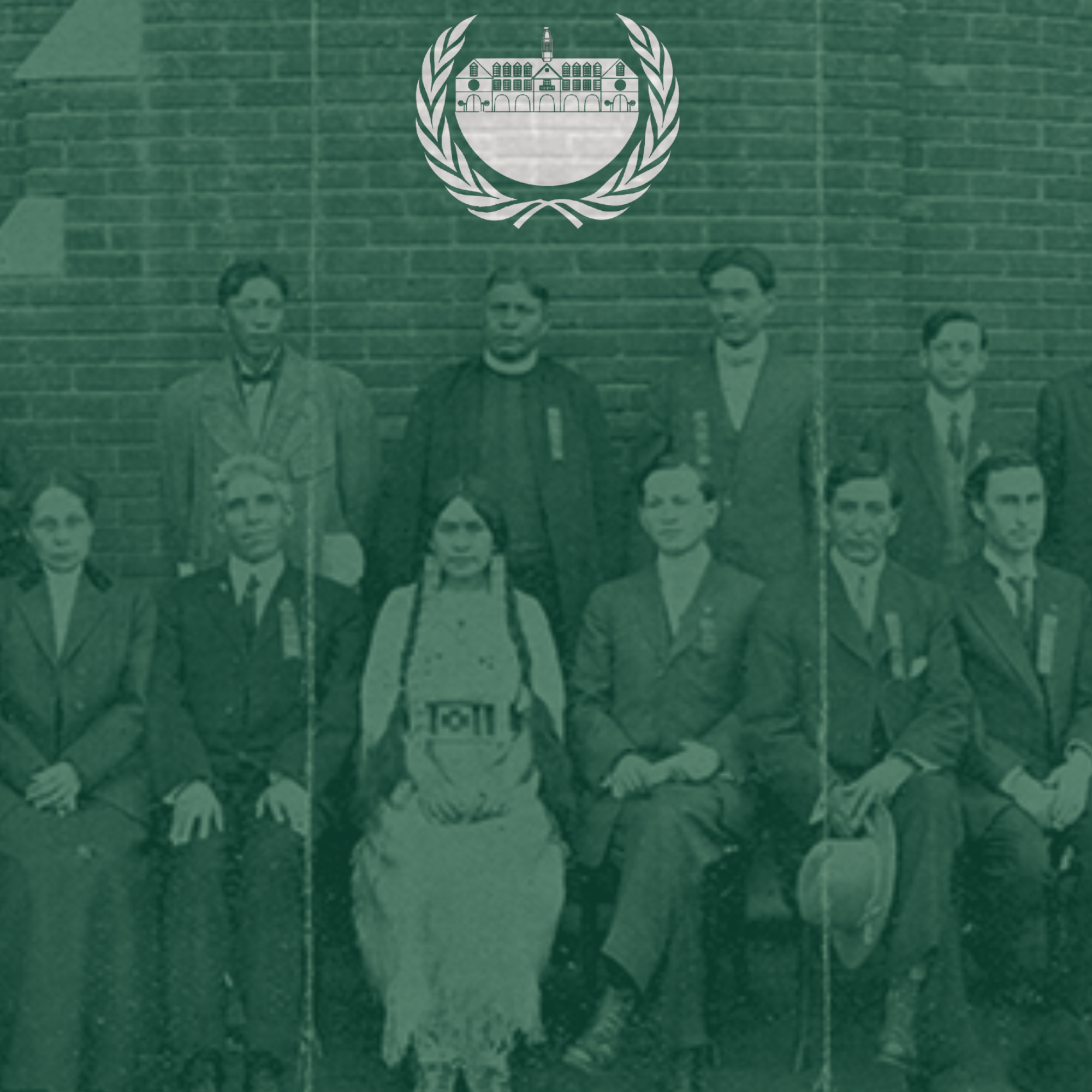
We Are Not Free: Society of American Indians, 1911
In the year 1911 in Columbus, Ohio, the Society of American Indians was founded with a revolutionary mission, launching a fight for fair education, civil rights, and equal treatment for Native Americans. Inspired by the foundation of the NAACP, which aimed to advance equality for African Americans, Native American scholars and leaders alike united to take advantage of American change during the Progressive Era. Under the guise of national Pan-Indianism, tribes from across the country united to start a movement to abolish the Bureau of Indian Affairs. This never-before-seen team operated under the pretense that Native people could adapt to the modern twentieth century without sacrificing their traditions or cultural identity. However, while their fifty founding leaders shared a common oppressive enemy, not all issues were resolved between their many tribes and nations. To bring about real change in the United States and alter longstanding narratives about Native peoples, this group will have to unite, assemble, and strategize like never before.
Topic 1: Foundation of a National Protest Movement-Peace or Revolution?
In 1911, workers took to the streets in droves to protest unfair conditions in their factories. The feminist suffragette movement was taking Washington, D.C., by force, using extreme methods such as hunger strikes, paired with softer approaches like coordinated uniforms to demonstrate group cohesion. One message is clear: protests are an important way to garner support and attention from the nation’s capital and the political powers that reside there. The question remains: would peaceful, symbolic protest prove to be effective, or would a complete revolution be necessary to overhaul America’s discrimination? Delegates will need to consider the benefits of each strategy, then organize a successful initiative. The primary aim: complete overturn and removal of the Dawes Act, a destructive policy which significantly broke up tribal lands and communities.
Topic 2: Strategic Takedown of the Bureau of Indian Affairs
In the early 20th century, the SAI struggled with navigating, and often challenging, the assimilationist policies of the Bureau of Indian Affairs (BIA), a subsection of the United States Department of the Interior that served the purpose of representation on behalf of the Federal Government to Native Americans throughout the nation. The BIA often created a clashing point for Native Americans, as they refused to cooperate with tribal leadership and outspoken advocates. Many internal disputes within the SAI emerged, as it became difficult to agree on how to approach these uncooperative government bureaucrats who insisted upon erasing their cultural meaning, tradition, and history. The question remains for delegates; can the BIA be reasoned with, is a complete overhaul of the institution required, or could there be a SAI takeover of this federal institution?