
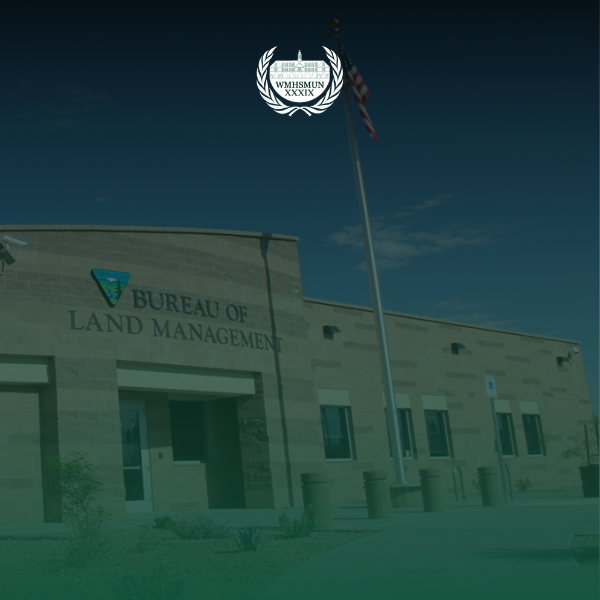
U.S. Bureau of Land Management
Topic 1 - Expanding Energy Adoption
One of the U.S. Bureau of Land Management’s main responsibilities is expanding energy production to support local economies and to provide dependable energy resources for the entire nation. This involves supporting more sustainable solutions, like expanding renewable energy resources such as solar, wind, and geothermal. It also involves expanding oil and gas production to meet national energy needs. All of these different energy systems are developed on public lands. The responsibility of this committee will be to determine what energy sources are the best way forward, how to finance these resources, and how to set up these technologies to receive the greatest national benefit. This will involve considering community benefit, cost, environmental impacts, finding available land, monetary benefits, effects on wildlife, necessary restoration and reclamation efforts, and many other factors that guide energy adoption. Some may want to invest in gas and oil to retrieve a greater economic benefit while others may prefer renewable energies because they are better for the environment. It is up to you to decide what is the best approach for addressing the United States’ pressing energy needs.
Questions:
- Should cost or sustainability be a higher priority when selecting energy sources?
- Which resources will generate the greatest benefit to the community?
- What are the costs and benefits associated with different energy sources? Do some outweigh the others?
- How will you fund these projects and which lands will you utilize?
Topic 2 - Land Conservation and Management
One of the U.S. Bureau of Land Management’s other main responsibilities is to conserve and maintain the nation’s public lands. Currently, the agency is responsible for protecting over 906 units covering over 38 million acres, including everything from rivers to mountains. By protecting public lands, the Bureau ensures that Americans have access to many different types of outdoor activities. These include hunting, solitude, wildlife viewing, fishing, history exploration, scientific research, and a wide range of traditional uses. The agency also respects the connections that native and traditional communities have to public lands. Both current and future generations benefit greatly from their efforts. Many of the public lands operated by the Bureau host endangered and threatened species and essential migration corridors for wildlife, while also providing ways for humans to engage with the environment through hunting, fishing, science, and culture. The committee must determine how to balance these two different priorities to ensure that both wildlife and people receive the greatest benefit from public lands. This might involve putting in place greater protections for endangered species or providing different programming and classes for humans to learn more about the environment. It may also involve increasing or decreasing hunting and fishing areas and protecting more or less land.
Questions:
- Should conservation or tourism be a greater priority?
- How will you fund these projects?
- Are there ways to conserve wildlife and support human engagement?
- What are some costs and benefits associated with both of these priorities? Do some outweigh the others?

Director: Lauren Nash